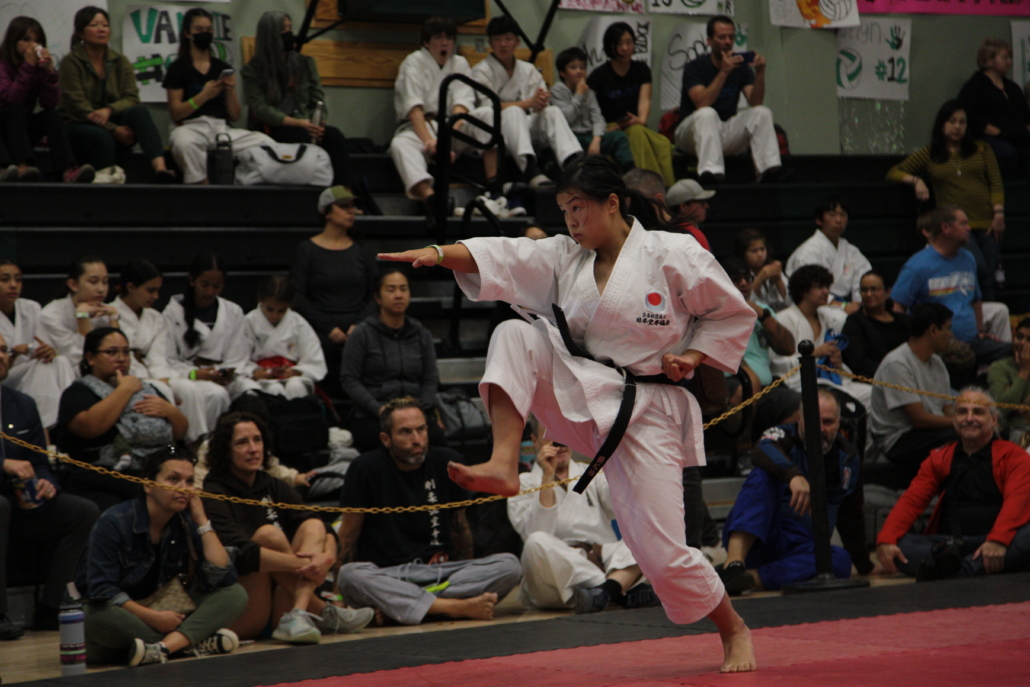
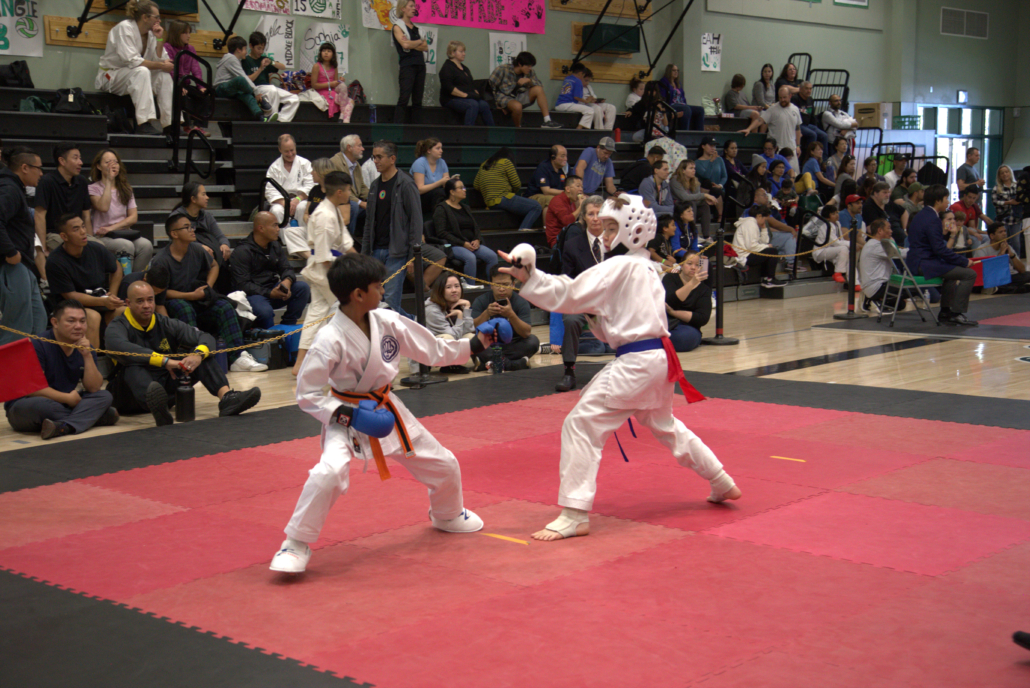
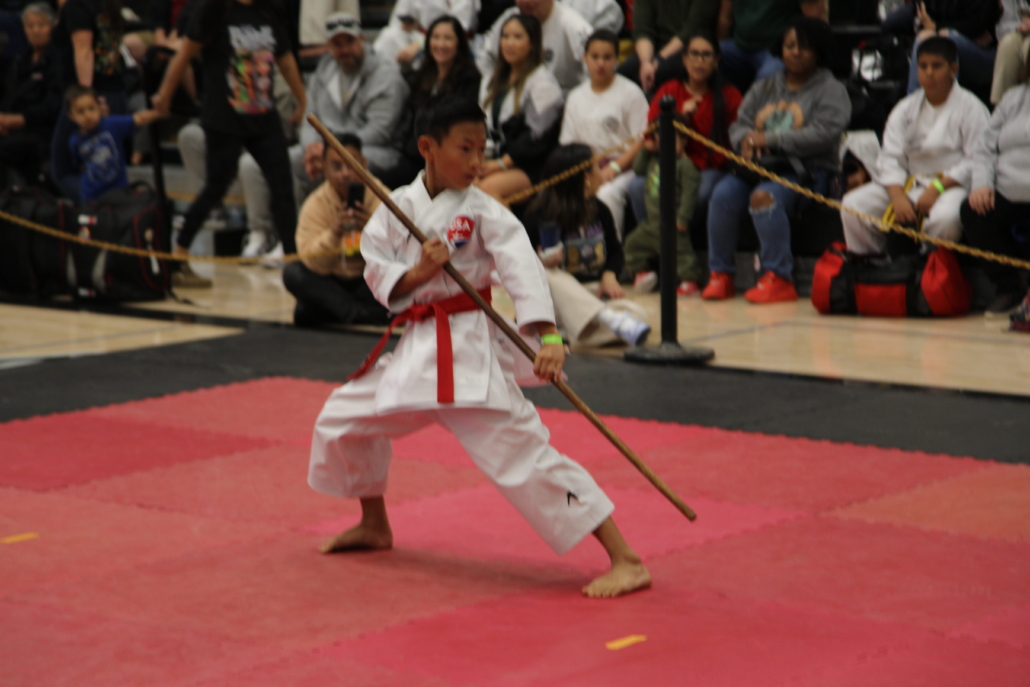
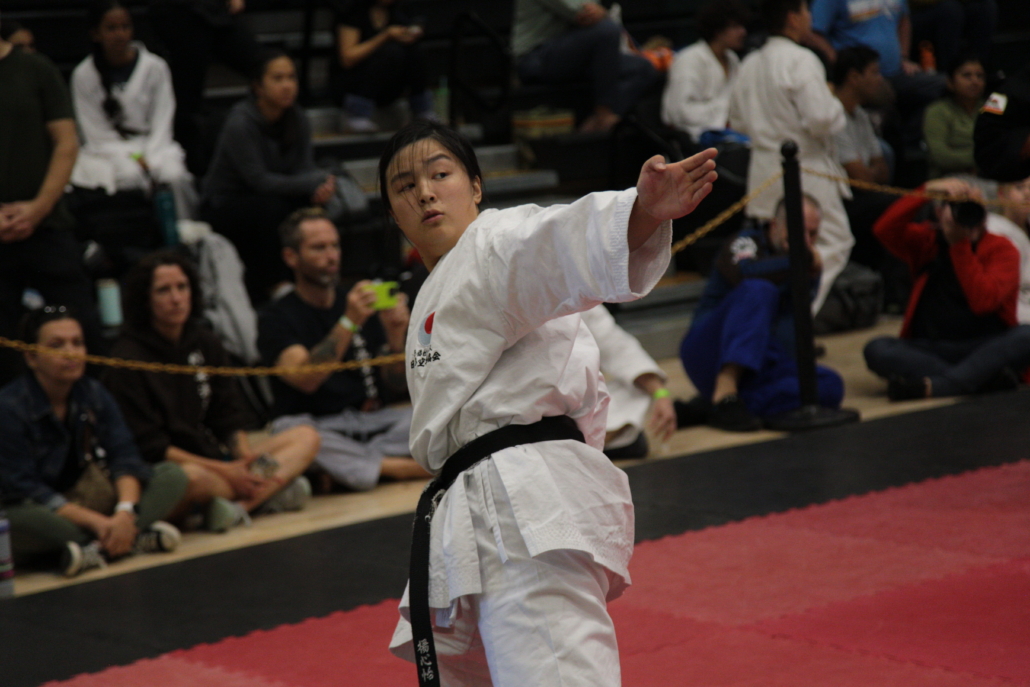
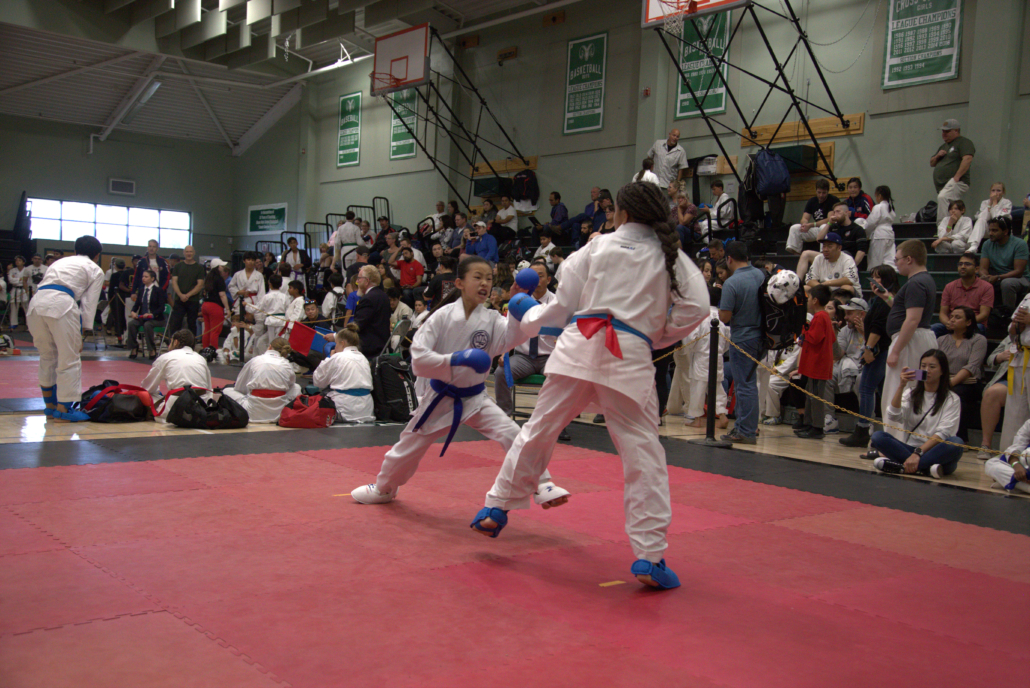
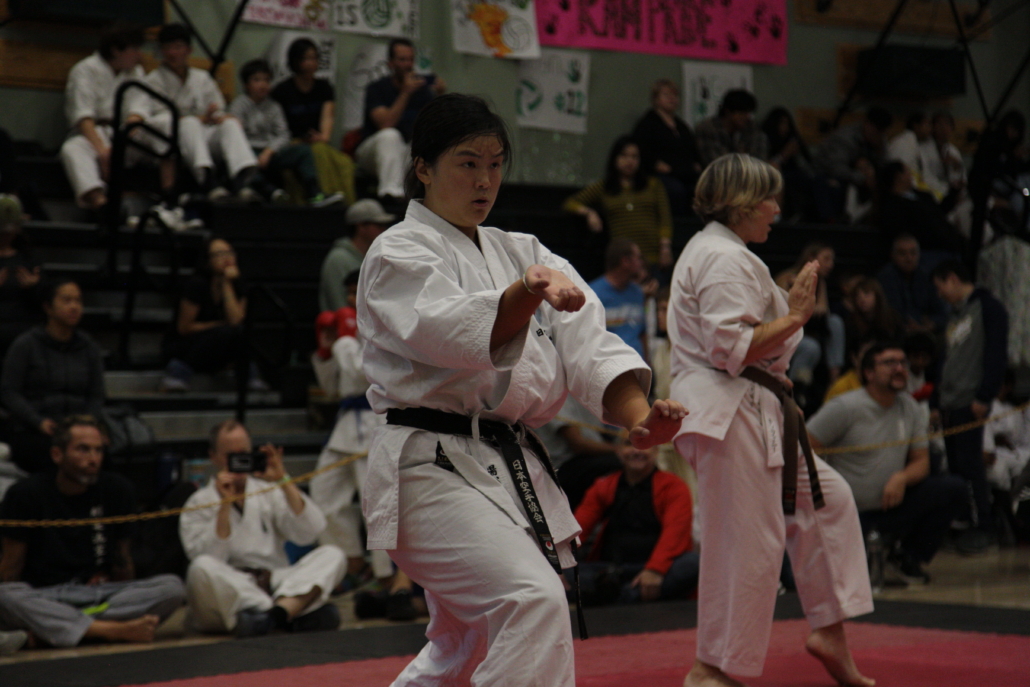
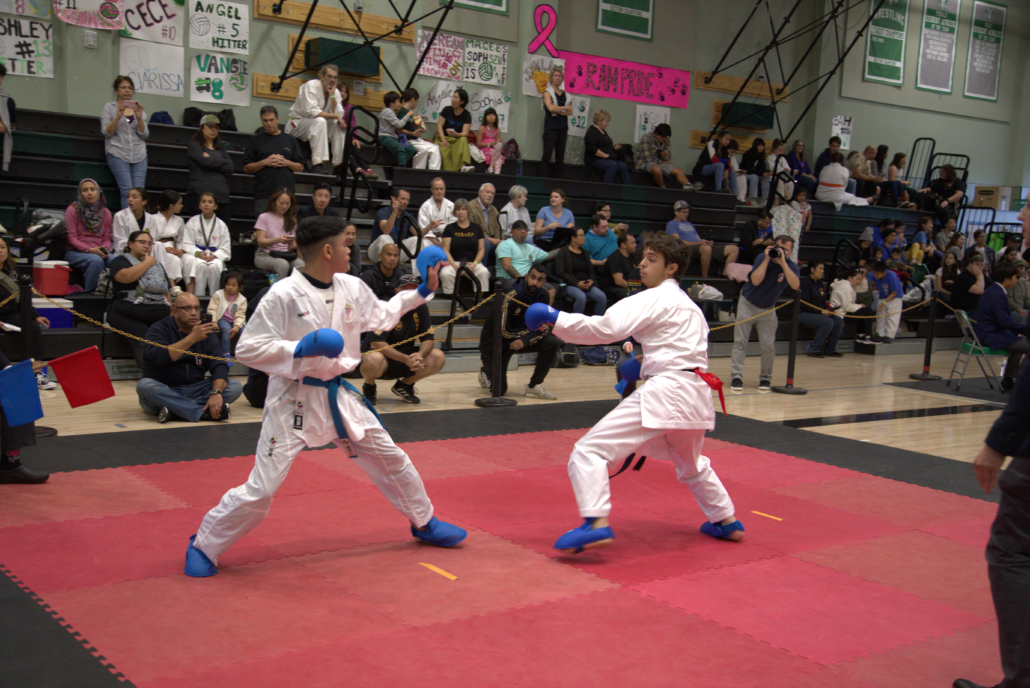
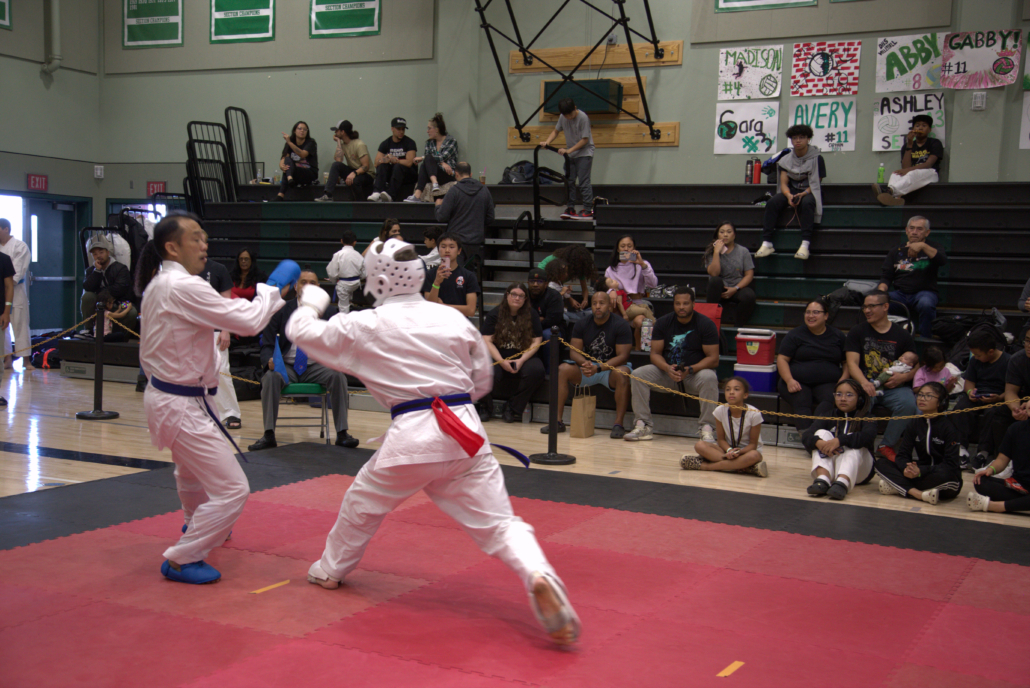
The hardest part of a karate competition is not always the kata. For some of our adaptive athletes, it may be the five minutes before they perform. Waiting for their name, hearing announcements over the loudspeaker, watching unfamiliar people move around the competition area, or trying to understand when it is their turn. By the time an athlete steps onto the mat, they may already have overcome several challenges that most spectators never noticed.
In our regular classes, we know our students well. We recognize when they are losing focus, need another demonstration, or simply need encouragement to continue. We can stop, repeat a movement, and adjust our instruction. At a tournament, many of those familiar supports are absent. The athlete must draw upon what has been learned, sometimes with fewer reminders than usual. We begin to see which skills are becoming independent and which still require support.
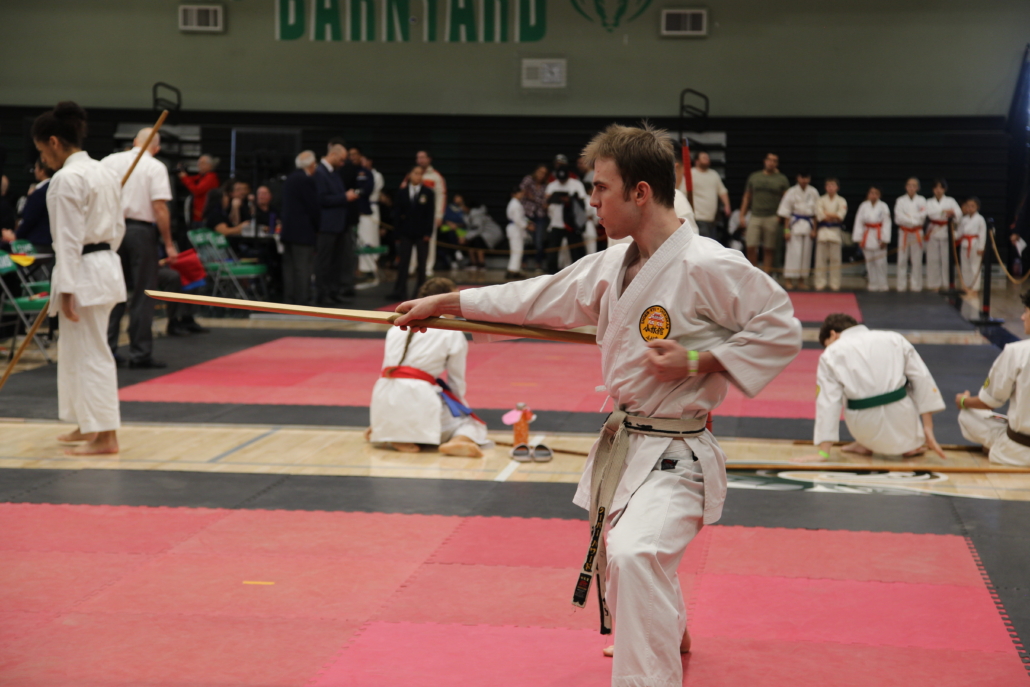
Consider something as simple as bowing to the officials. In traditional karate, we teach the bow from the beginning. It is part of our etiquette, an expression of respect. But for a student who struggles with sequencing, communication, or unfamiliar social situations, approaching the competition area, recognizing the instruction to bow, and doing so at the appropriate moment may represent substantial progress. We have practiced that bow many times. Now the athlete has an opportunity to perform it, along with the kata, without our direction.
A tournament will not automatically improve confidence, emotional regulation, or independence. Some athletes may find the experience overwhelming, particularly without adequate preparation. We may need to rehearse the entire process with a student, from waiting for their name to approaching the officials and beginning the kata. Another student may only need to see the competition area beforehand or hear the instructions a little more slowly. We learn what works through practice and observation, providing enough support for each athlete to participate while preserving an appropriate challenge.
One of the most useful things we can observe happens when a performance does not go as expected. An athlete forgets a technique, pauses, or looks toward the instructor before continuing. We may discover that a student has been following our movements more than remembering the kata, or that the familiar rhythm of our instructions has become part of their performance. We do not always recognize these dependencies until we are no longer standing beside them. These are the details we carry back into our lessons, sometimes with a better understanding of what we need to change in our own instruction.
There is also the question of winning and losing. Our adaptive athletes deserve the opportunity to experience both. We should not assume that disappointment is beyond their ability to understand or manage, nor should we expect every student to respond in the same way. We can help them recognize good performances, congratulate other competitors, and accept that judging is part of competitive karate. At the same time, technical standards remain important. A stronger stance, improved balance, better timing, or greater accuracy should be recognized as genuine athletic progress. Inclusion should not mean that we stop teaching good karate.
For families, these moments can carry a significance that is difficult to explain to someone unfamiliar with the student’s history. A parent may remember when their child could not follow two consecutive instructions, tolerate a busy room, or remain engaged long enough to complete a short exercise. Now that same child is standing before officials, wearing a gi, and performing a kata. The performance may have mistakes. The parent sees them, too. But they also see what has changed.
And sometimes, after months of practice, an athlete simply walks onto the mat, bows, performs, and walks back to the waiting area without looking for help.